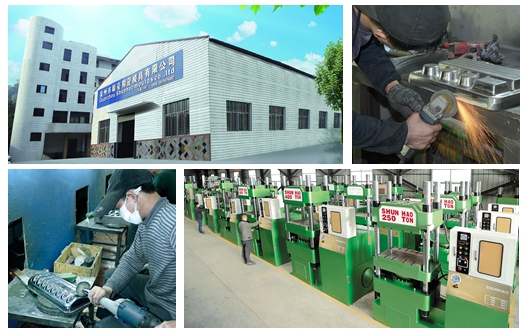
Stable melamine tableware production relies on not only melamine powder quality but also synchronized mold design and melamine press matching. Mismatched melamine molds and presses cause flashing, blisters, high scrap and downtime. With over 20 years of operating mold workshop and melamine press assembly facility, Shunhao Machines and Moulds Factory integrates mold engineering and press parameter tuning from the design phase. Every melamine crockery compress mould is built to match press tonnage, heating layout, clamping parallelism and ejection system to cut rejects and sustain continuous production.
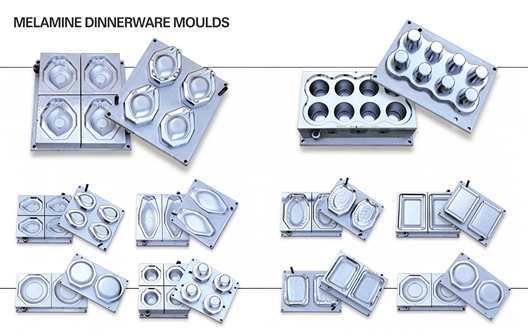
Why Mismatched Mold & Press Sets Undermine Your Melamine Tableware Production?
Poor mold-press matching triggers a predictable set of molding defects:
-
Uneven clamping force creates flashing, inconsistent product weight and thick, untrimmed edges
-
Misaligned heating channels lead to blisters, incomplete curing and uneven color or matte spots
-
Mismatched ejection stroke, guide pin layout or platen dimensions scratch molds and delay assembly
-
Uncalibrated pressure holding curves result in uneven melamine density and accelerated mold wear
These defects quickly turn into measurable business losses for melamine tableware factories. Operators spend hours tuning parameters every shift. Scrap rates rise, wasting melamine powder and labor. Commissioning stretches for weeks, putting bulk customer orders at risk of late delivery.
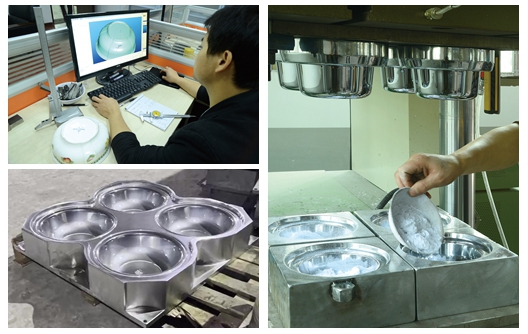
One-Stop Solution: How We Engineer Mold Design & Press Matching Together
At our facility, matching is not a final testing step — it starts at the design board. Our melamine tableware molds designers and melamine press engineers collaborate from the very beginning on four core matching dimensions.
-
Tonnage matching: Cavity layout and total projected product area are calculated to fit melamine presses with proper safety margin.
-
Thermal matching: Mold heating circuits are laid out to align with the press’s heating plates and temperature control modules for uniform curing.
-
Mechanical matching: Mold base size, ejection stroke, guide structure and clamping parallelism tolerances are standardized to the target press.
-
Process matching: Cure time, pressure profile and decompression settings are pre-simulated before steel cutting begins.
Our Standard One-Stop Project Workflow Follows This Proven Sequence:
-
Collect product drawings, daily output targets and single-color or two-color molding requirements
-
Simulate cavity layout and select the most suitable press model
-
Draft mold structure synchronized fully with the selected press specifications
-
Internal cross-team design review by mold and machinery engineers
-
Run full mold trial on the matched press inside our factory
-
Lock stable molding parameters and confirm sample quality
-
Prepare shipment, provide on-site installation guidance and support production commissioning
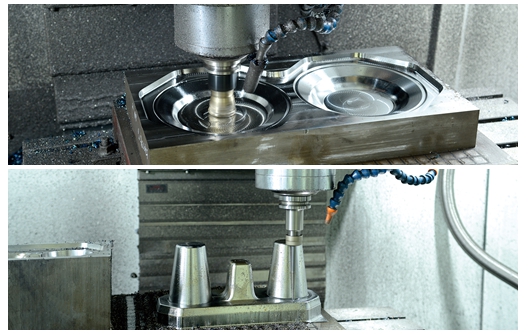
Real Factory Case Study
A melamine tableware producer planned a brand-new production line for everyday melamine bowls and plates. Initially, the management planned to source presses and molds from two independent suppliers. Their past experience with separate vendors left them with nearly three weeks of unstable output after machine installation, frequent flashing and inconsistent surface quality that threatened bulk order delivery.
To prevent such losses from happening again, they opted for Shunhao’s all-in-one service that pairs molds and presses. Our technical team selected a properly sized press, designed multi-cavity molds aligned with the machine’s pressure output and heating system, and completed full molding trials within our workshop before shipment.
After on-site commissioning, the results were clear. The factory’s reject rate dropped sharply. Operators no longer needed constant daily adjustments to pressure and temperature. The line ran continuously with stable quality, and the manufacturer shipped all bulk orders on schedule.
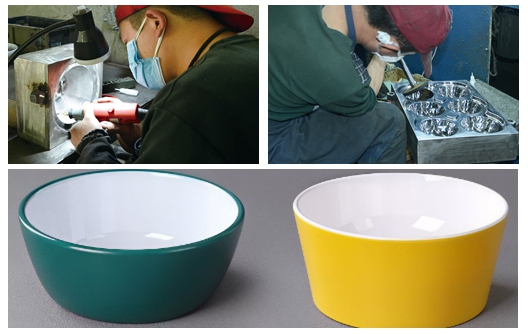
Shunhao stands out with decades of mold R&D and precision development capability. Our melamine dinner set mold engineering team carries out cavity layout, heating channel optimization, ejection structure design and surface texture development. Every mold is engineered side-by-side with our melamine press technicians. We run full molding validation inside our workshop, refine gate and runner details, and fine-tune every structural feature to minimize flashing, blisters and uneven curing. This mold development strength ensures your matched mold-press set runs stably from day one and delivers longer mold service life for mass production.
Whether you are building a brand-new melamine tableware line or upgrading molds for your existing presses, send us your product drawings and capacity requirements. Our mold engineers will work out a customized matched solution for you.
FAQ
Q: How can I contact with your factory for further details?
A: Please contact us via Email: machine@hongancn.com or call us at +86 15905996312.
Q: What is the delivery time of the mold?
A: Mold delivery time: 15-30 days after the effect drawing is confirmed, depending on the mold order quantity and mold difficulty structure.
Q: What surface treatments are available for melamine mould cavities?
A: Mirror polishing, matte finish, texture etching, laser engraving for logos and patterns.








 rede ipv6 suportada